
¿Cuáles son los principales procesos en la fabricación de estructuras de acero?
Inspección de soldadura
Prueba de espesor del recubrimiento
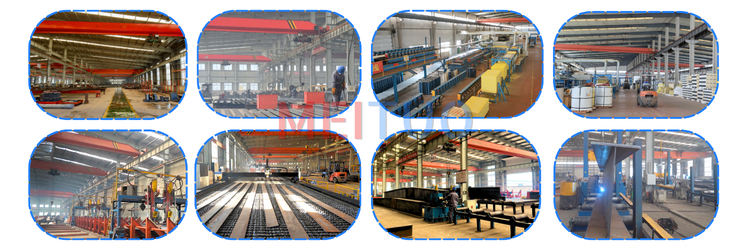
Verificación de alineación de agujeros
Verificación de la marca de embalaje
El control de calidad es lo que diferencia la fabricación de estructuras de acero de primera calidad de la producción de baja calidad.
Paso 12: Empaquetado y entrega
Una vez aprobados, los componentes se empaquetan para su envío. Una planificación logística adecuada protege los productos de fabricación de estructuras de acero durante el transporte.
Los buenos métodos de embalaje incluyen:
Etiquetado de paquetes
Separación del kit de pernos
Protección contra arañazos
Planes de carga de contenedores
Un embalaje eficiente reduce la confusión en la obra y acelera el montaje.
Tecnología avanzada en la fabricación de estructuras de acero
La fabricación de estructuras de acero modernas está cada vez más automatizada.
Las nuevas tendencias incluyen:
Líneas de producción CNC
Integración BIM
Soldadura robótica
trazabilidad digital
Planificación inteligente de la producción
Estas tecnologías mejoran la precisión y la productividad en la fabricación de estructuras de acero.
Cómo evalúan los compradores a un proveedor de fabricación de estructuras de acero
Al elegir una fábrica, los compradores deben tener en cuenta lo siguiente:
Tamaño del taller
Nivel de equipamiento
Certificación de soldadura
Proyectos de exportación anteriores
Sistema de calidad
Capacidad de entrega
Un proveedor con experiencia en la fabricación de estructuras de acero reduce el riesgo del proyecto.
Errores comunes en la adquisición de materiales para la fabricación de estructuras de acero
Evite elegir únicamente por el precio más bajo. La fabricación de estructuras de acero débiles suele causar:
retrasos en la instalación
agujeros desalineados
Mala calidad de soldadura
Fallo de la pintura
Costes de reparación ocultos
La fabricación fiable de estructuras de acero genera un mayor valor total.
Straightness check
Grade confirmation
Good steel structure fabrication begins with qualified raw material.
Step 4: Cutting Process in Steel Structure Fabrication
Cutting is one of the most important steps in steel structure fabrication. Components must match exact dimensions to ensure fit-up during assembly.
Common cutting methods:
CNC flame cutting
Plasma cutting
Laser cutting
Saw cutting
Accurate cutting reduces waste and improves steel structure fabrication efficiency.
Step 5: Hole Drilling and Punching
Many members need bolt holes for connection during erection. In steel structure fabrication, hole location accuracy is critical.
Processes include:
CNC drilling
Punching for lighter members
Slot hole preparation where required
Poor hole accuracy can delay steel structure fabrication installation on site.
Step 6: Assembly and Fit-Up
After cutting, pieces are assembled into larger members during steel structure fabrication.
Examples:
Column assembly
Rafter assembly
Built-up beam assembly
Plate stiffener positioning
Skilled fit-up ensures geometry is correct before welding in steel structure fabrication.
Step 7: Welding Process
Welding is a core stage of steel structure fabrication. Strong welds transfer loads safely through the structure.
Common welding methods:
CO2 gas shielded welding
Submerged arc welding
Manual arc welding
Robotic welding in advanced steel structure fabrication plants
Welding quality directly impacts structural safety.
Step 8: Straightening and Correction
Heat from welding may cause distortion. Therefore many factories include straightening in steel structure fabrication.
Correction methods:
Hydraulic straightening
Flame correction
Mechanical adjustment
This keeps steel structure fabrication members within tolerance.
Step 9: Surface Preparation
Before painting or galvanizing, surfaces must be cleaned during steel structure fabrication.
Typical preparation includes:
Shot blasting
Rust removal
Dust cleaning
Edge smoothing
Clean surfaces improve coating adhesion in steel structure fabrication.
Step 10: Painting or Galvanizing
Corrosion protection is a major part of steel structure fabrication.
Options include:
Primer coating
Epoxy systems
Polyurethane topcoat
Hot-dip galvanizing
The right finish extends steel structure fabrication service life.
Step 11: Quality Inspection
Professional factories use strict inspection procedures throughout steel structure fabrication.
Inspection may include:
Dimension check
Weld inspection
Coating thickness test
Hole alignment check
Packing mark verification
Quality control is what separates premium steel structure fabrication from low-grade production.
Step 12: Packing and Delivery
Once approved, members are packed for shipment. Proper logistics planning protects steel structure fabrication products during transport.
Good packing methods include:
Bundle labeling
Bolt kit separation
Scratch protection
Container loading plans
Efficient packaging reduces site confusion and speeds erection.
Advanced Technology in Steel Structure Fabrication
Modern steel structure fabrication is increasingly automated.
New trends include:
CNC production lines
BIM integration
Robotic welding
Digital traceability
Smart production scheduling
These technologies improve steel structure fabrication precision and output.
How Buyers Evaluate a Steel Structure Fabrication Supplier
When choosing a factory, buyers should review:
Workshop size
Equipment level
Welding certification
Past export projects
Quality system
Delivery capacity
An experienced steel structure fabrication supplier reduces project risk.
Common Mistakes in Steel Structure Fabrication Procurement
Avoid choosing only by low price. Weak steel structure fabrication often causes:
Installation delays
Misaligned holes
Poor weld quality
Paint failure
Hidden repair cost
Reliable steel structure fabrication creates better total value.
Verificación de dimensiones