
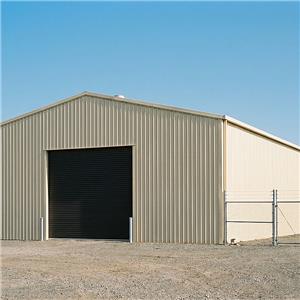
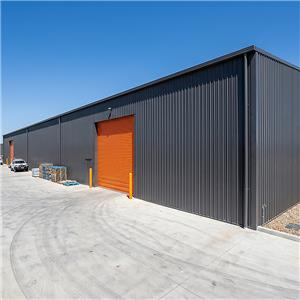
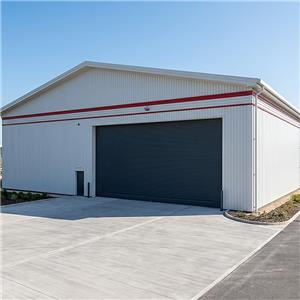
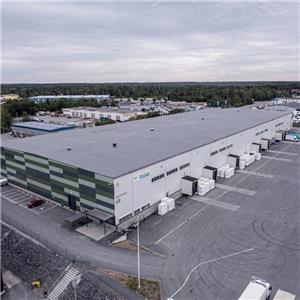
Por qué la construcción de almacenes prefabricados está transformando la construcción industrial moderna.
Soporte de ingenieríaCálculos estructuralesCapacidad de fabricación
Experiencia en exportación
Guía de instalación
Certificaciones de calidadLos compradores deberían evaluar la experiencia técnica en lugar de centrarse únicamente en el precio.Errores comunes al comprar un edificio de almacén prefabricado
Evite estos errores comunes:
Elegir solo el precio más bajo
La construcción de un almacén prefabricado de muy bajo coste puede dar lugar a materiales de mala calidad o a una ingeniería inadecuada.
Ignorar las necesidades de expansión
El crecimiento futuro debe tenerse en cuenta durante la fase de diseño inicial.
Subestimar la logística
La planificación del transporte afecta tanto al cronograma como al costo del proyecto.
Incumplimiento de las normas locales
Todos los almacenes prefabricados deben cumplir con los códigos de construcción locales.
Tendencias futuras en la construcción de almacenes prefabricadosEl futuro de laedificio de almacén prefabricado
La industria está marcada por la tecnología y la sostenibilidad.
Las tendencias emergentes incluyen:
Integración de almacenes inteligentes
Sistemas de almacenamiento automatizados
Diseño basado en BIM
Techos preparados para energía solar
Sistemas de expansión modular
Estas innovaciones siguen mejorando el valor de un edificio de almacén prefabricado.
¿Por qué seguirá creciendo la demanda de almacenes prefabricados?
La demanda mundial de espacios de almacenamiento e industriales sigue en aumento.
El edificio de almacén prefabricado satisface la necesidad del mercado de:
Velocidad
Eficiencia de costos
Flexibilidad
Sostenibilidad
EscalabilidadPara muchas empresas, representa la solución más práctica disponible. offers excellent structural performance.
High Strength
Steel frames provide outstanding load-bearing capacity.
Long Service Life
A professionally designed prefabricated warehouse building can operate for 30–50 years or longer with proper maintenance.
Wind Resistance
Many prefabricated warehouse building projects are designed to withstand strong winds and severe weather.
Earthquake Performance
Steel structures perform exceptionally well in seismic zones due to their flexibility and strength.
Applications of Prefabricated Warehouse Building
The versatility of the prefabricated warehouse building makes it suitable for many industries.
Logistics Centers
The large open spans of a prefabricated warehouse building maximize storage efficiency.
Manufacturing Facilities
Factories benefit from flexible layouts and easy equipment installation.
Agricultural Storage
Farm operators use prefabricated warehouse building systems for grain storage, machinery protection, and livestock facilities.
Wholesale Distribution
A prefabricated warehouse building supports fast inventory movement and supply chain operations.
Design Flexibility of a Prefabricated Warehouse Building
Modern engineering allows every prefabricated warehouse building to be customized according to project requirements.
Customizable elements include:
Building width
Building length
Eave height
Roof slope
Door locations
Window arrangements
Crane systems
Insulation packages
This flexibility ensures that each prefabricated warehouse building matches operational needs.
Energy Efficiency Benefits
Energy costs are becoming increasingly important for warehouse operators.
A modern prefabricated warehouse building can incorporate:
PU sandwich panels
Rock wool insulation
Energy-efficient roofing systems
Natural lighting solutions
Ventilation systems
These features reduce operating costs and improve workplace comfort.
Factors Affecting Prefabricated Warehouse Building Cost
Several variables influence the cost of a prefabricated warehouse building.
Size
Larger buildings require more materials but often reduce cost per square meter.
Insulation Requirements
Insulated prefabricated warehouse building systems cost more initially but reduce long-term energy expenses.
Structural Loads
Wind, snow, and seismic requirements affect engineering and material consumption.
Interior Features
Mezzanines, cranes, office spaces, and specialized equipment increase project cost.
How to Choose the Right Prefabricated Warehouse Building Supplier
Selecting the right supplier is critical.
A professional prefabricated warehouse building manufacturer should provide:
Engineering support
Structural calculations
Manufacturing capability
Export experience
Installation guidance
Quality certifications
Buyers should evaluate technical expertise rather than focusing solely on price.
Common Mistakes When Purchasing a Prefabricated Warehouse Building
Avoid these common errors:
Choosing Only the Lowest Price
A very low-cost prefabricated warehouse building may result in poor materials or inadequate engineering.
Ignoring Expansion Needs
Future growth should be considered during the initial design phase.
Underestimating Logistics
Transportation planning affects both project schedule and cost.
Neglecting Local Regulations
Every prefabricated warehouse building should comply with local building codes.
Future Trends in Prefabricated Warehouse Building
The future of the prefabricated warehouse building industry is shaped by technology and sustainability.
Emerging trends include:
Smart warehouse integration
Automated storage systems
BIM-based design
Solar-ready roofing
Modular expansion systems
These innovations continue improving the value of a prefabricated warehouse building.
Why Prefabricated Warehouse Building Demand Will Continue Growing
Global demand for warehousing and industrial space continues to increase.
The prefabricated warehouse building meets the market's need for:
Speed
Cost efficiency
Flexibility
Sustainability
Scalability
For many businesses, it represents the most practical solution available.
El fabricante debe proporcionar: